

















Does Fast Charging Damage Smartphone Batteries?


Fast charging has changed how we use smartphones. Instead of waiting hours for a full battery, users can quickly recharge their devices before work, university, gaming sessions, or travelling. However, many smartphone users in Pakistan wonder whether fast charging reduces battery life and whether using a slow charger is a better choice.
The truth is that fast charging does not automatically damage smartphone batteries. Modern smartphones regulate charging speed, voltage, current, and temperature to help protect their batteries. However, excessive heat and keeping a battery fully charged for extended periods can accelerate battery ageing.
Whether you use a Xiaomi, Redmi, or another smartphone, choosing a compatible charger and following good charging habits can help maintain battery health. In this guide, we explain fast-charging battery technology, compare slow and fast chargers, and recommend Xiaomi chargers for everyday use.
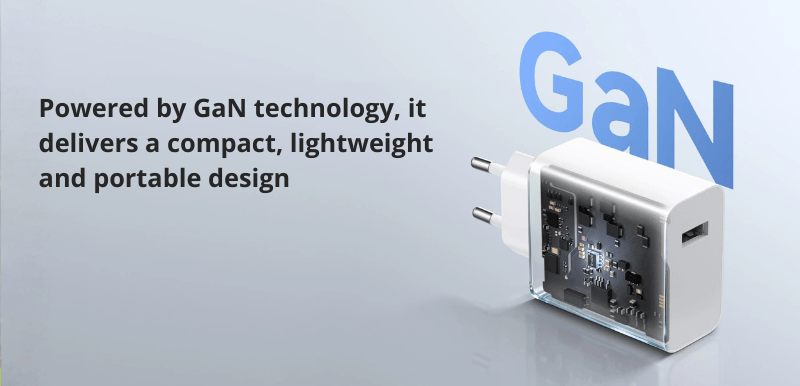
What Is Fast Charging and How Does It Work?
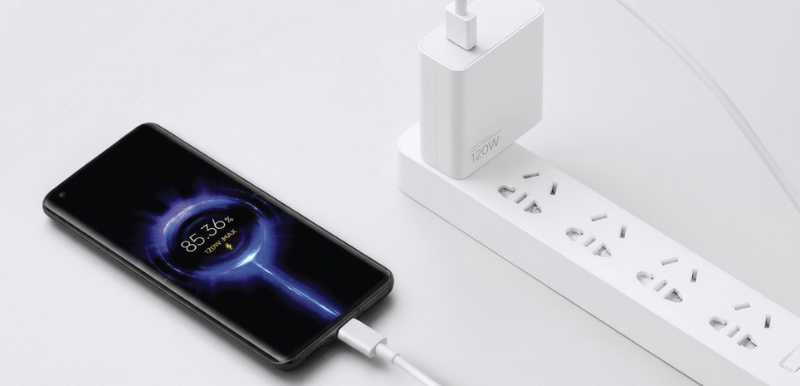
Fast charging delivers power to a smartphone more quickly using compatible chargers and charging technologies. Charging speed depends on charger wattage, cable compatibility, battery temperature, and battery level. For example, a 33W-compatible Xiaomi or Redmi phone can charge faster with a compatible 33W charger than with a 10W charger. However, phones automatically adjust charging speeds to protect battery health, especially when the battery is nearly full or the device gets too warm.
Does Fast Charging Damage Smartphone Batteries?
Fast charging is generally safe with a compatible charger, but excessive heat can accelerate battery ageing. Lithium-ion batteries naturally lose capacity over time, and high temperatures can speed up this process.
To protect your Xiaomi or Redmi battery:
- Use a compatible, reputable charger and cable.
- Avoid direct sunlight and hot environments, especially in Pakistan’s summer.
- Enable optimized charging or battery protection features if available.
- Avoid intensive gaming while charging if your phone gets hot.
- Avoid regularly leaving your battery at 0% or 100% for extended periods.
Tip: You can continue using fast charging. Managing heat and using compatible accessories are key to maintaining battery health.
Which is better for battery health?
A slower charger may keep your phone cooler, especially during overnight charging, but a compatible fast charger is also safe. Battery health depends more on heat, charging habits, and battery management than wattage alone. Explore the Xiaomi Store Pakistan charger collection to find suitable charging accessories for your device.
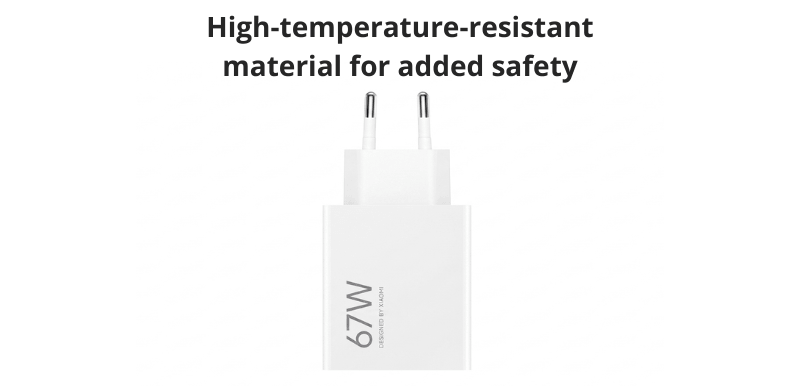
Which Xiaomi Charger Is Best for Battery Health?
The best Xiaomi or Mi charger for battery health is the one that matches your smartphone’s supported charging specifications. A higher-wattage adapter does not automatically improve battery health, and buying the most powerful charger is not necessary for every user.
Here are three options available in the Xiaomi Store Pakistan charger range.
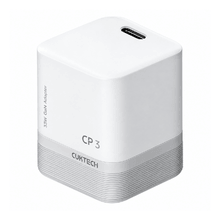
1. Xiaomi 33W Nano Power Adapter (USB-C)
The Xiaomi 33W Nano Power Adapter is a compact option for compatible smartphones and other supported devices. It supports USB-C charging and QC, PD, and PPS protocols, with intelligent temperature control and multiple protection mechanisms.
Best for: Users whose phones support USB-C charging at 33W or lower and who want a compact adapter for everyday use.
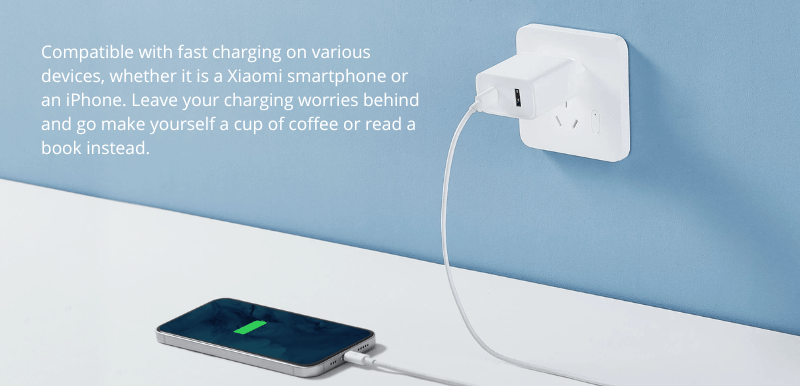
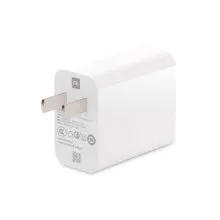
2. Mi 33W Wall Charger (Type-A + Type-C)
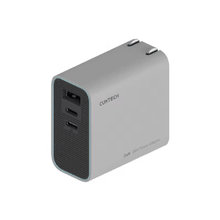
The Mi 33W Wall Charger offers USB-C and USB-A ports, allowing users to charge compatible devices using the appropriate connection. Its advertised safety features include protection against overheating, overcurrent, overvoltage, and short circuits.
Best for: Compatible Xiaomi and Redmi users who want a versatile charger for everyday charging.
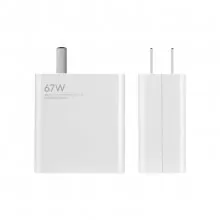
3. Mi GaN Type-C 65W Charger
The Mi GaN Type-C 65W Charger is an option for compatible devices that require higher power. Gallium nitride (GaN) technology enables chargers to achieve a compact design while improving power conversion efficiency.
Best for: Users with compatible phones, tablets, or other USB-C devices that benefit from higher charging power. You can compare these and other options through the Mi Chargers collection.
Our recommendation: Choose a charger that matches your smartphone’s supported charging specifications. A compatible 33W Xiaomi charger suits a phone designed for 33W charging, while an 18W or 20W phone doesn’t need a 65W charger. Use a reliable charger and keep your phone cool to help maintain battery health. Normal battery ageing cannot be completely prevented.
Seven Tips to Extend Your Xiaomi or Redmi Battery Life
- Avoid extreme temperatures: Heat can accelerate battery ageing. Keep your phone away from direct sunlight while charging.
- Use optimized charging: Enable battery protection or optimized charging if your Xiaomi or Redmi model offers it.
- Avoid frequent deep discharges: Recharge when convenient rather than letting the battery reach 0% regularly.
- Choose compatible chargers: Match the adapter and cable to your phone’s supported charging technology.
- Reduce demanding use while charging: Gaming, navigation, and video recording can increase heat.
- Do not worry about every small top-up: Partial charging is normal for lithium-ion batteries and does not automatically damage them.
- Monitor unusual heating: If your phone becomes excessively hot, disconnect it and investigate the cause before continuing to charge.
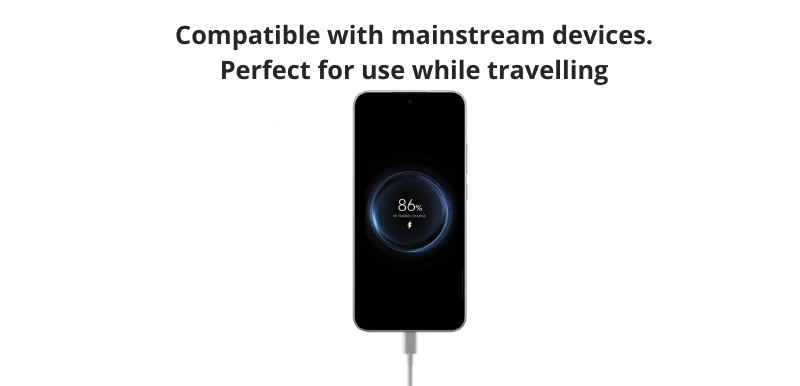
Frequently Asked Questions (FAQs)
1. Is fast charging bad for the battery?
No. Fast charging is generally safe when your phone and charger are compatible. Excessive heat can accelerate battery ageing, so avoid charging in hot environments.
2. Does fast charging affect battery life?
It can contribute to battery degradation if it repeatedly causes excessive heat. However, modern smartphones regulate charging to manage power delivery and temperature.
3. Does fast charging drain battery faster?
No. Fast charging does not inherently cause faster battery drain after unplugging. Battery consumption mainly depends on screen brightness, applications, mobile signal, gaming, and other usage.
4. Does charging your phone overnight ruin the battery?
Not usually. Modern smartphones manage charging automatically, and some offer optimized charging. However, prolonged heat exposure and prolonged high-charge levels can contribute to battery ageing.
5. Does frequent charging damage the phone battery?
No. Frequent partial charging is generally acceptable for lithium-ion batteries. You do not need to wait until your battery reaches 0% before charging it.
6. Does using the phone while charging affect battery life?
It can if intensive activities generate excessive heat. Gaming and recording high-resolution video may increase temperature, while light use is generally less concerning if the phone remains cool.
7. Does the phone charge faster when turned off?
Sometimes. A powered-off phone consumes less energy, so more incoming power can go toward charging its battery. The difference depends on the phone, charger, and charging conditions.
Final Verdict: Choose the Right Xiaomi Charger
Fast charging is a convenient technology that does not automatically damage smartphone batteries. For long-term battery health, focus on controlling heat, avoiding prolonged periods at extreme charge levels, and using compatible charging accessories.
For most users, a suitable Xiaomi 33W charger is a practical everyday option when their phone supports that charging level. Devices requiring higher power may benefit from a compatible 65W or higher charger, while phones with lower charging limits will not necessarily charge faster with a more powerful adapter.
Visit Xiaomi Store Pakistan to explore Xiaomi and Redmi smartphones, along with compatible chargers for your everyday charging needs.