













Smart Watch vs Fitness Band in Pakistan – Complete Buying Guide


Wearable technology has become a practical part of everyday life in Pakistan. A smartwatch or fitness band helps you monitor daily activity, track workouts, check sleep, receive notifications, and keep important information accessible from your wrist.
Choosing between the two can still be confusing. Both offer health and fitness tracking, but they differ in display size, design, battery life, connectivity, and smart features. Deciding whether you need a smartwatch or a fitness band depends on which features matter most to you. A fitness band suits users who mainly want lightweight activity and health tracking, while a smartwatch offers a broader set of features such as Bluetooth calling, GPS, and richer notifications.
What Is a Fitness Band?
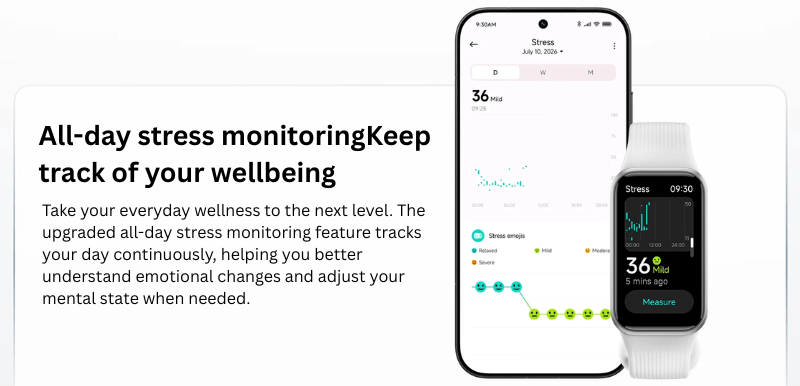
A fitness band is a lightweight wearable designed primarily for health, fitness, and activity tracking. Its slim design makes it comfortable to wear throughout the day and during sleep. Depending on the model, it can track steps and daily activity, distance travelled, calories burned, heart rate, blood oxygen levels, sleep, stress or wellness information, workout activities, and smartphone notifications.
Fitness bands generally have smaller displays than smartwatches and focus on essential information rather than a complete smartwatch experience. A health band or sport band can be a practical choice for anyone who wants a simple wearable that adds little weight to the wrist.
What Is a Smartwatch?
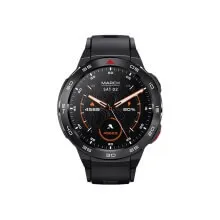
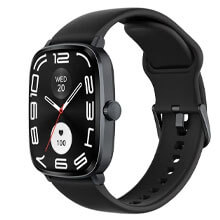
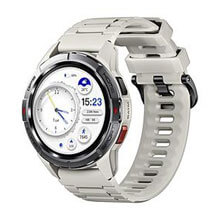
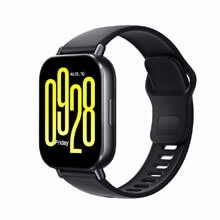
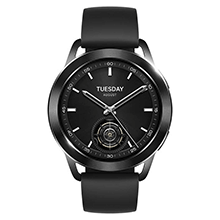
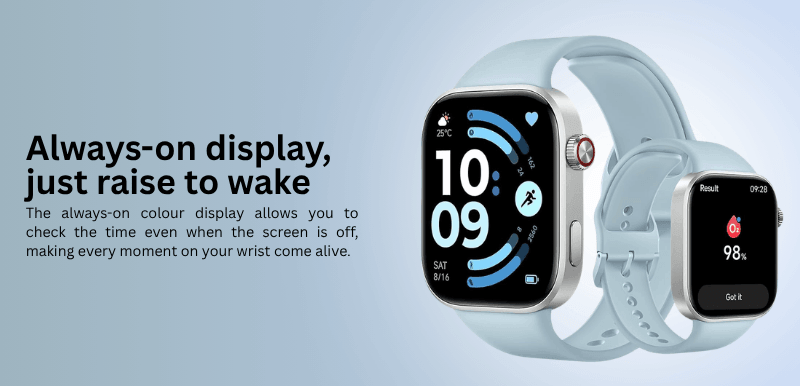
A smartwatch is a more feature-rich wearable that combines fitness tracking with smartphone-connected functions. Depending on the model, it may offer a larger colour display, Bluetooth calling, richer notifications, built-in or connected GPS, multiple sports modes, heart rate and SpO₂ monitoring, sleep tracking, music controls, voice assistant support, and customisable watch faces.
The larger display makes messages and workout information easier to view. Smartwatches range from lightweight everyday models to sport-focused and premium-looking watches.
Smart Watch vs Fitness Band: Key Differences
| Design | Slim and lightweight | Larger wristwatch-style design |
| Display | Usually smaller | Usually larger |
| Battery | Generally longer | Usually shorter |
| Health tracking | Core health features | Core plus additional features on some models |
| GPS | May depend on phone | Built-in on some models |
| Bluetooth calling | Limited or model-dependent | Available on many models |
| Notifications | Basic | More detailed |
| Apps and customisation | Limited and simpler | More extensive |
| Price | Often more affordable | Entry-level to premium |
Specifications vary considerably between products, so treat this as a general category comparison rather than a specification for every model.
1. Display and Everyday Use
The display is the easiest difference to notice. Fitness bands use a smaller screen designed for quickly checking steps, time, heart rate, and notifications. Smartwatches have larger displays, which makes menus, workout information, and watch faces easier to read. If you mainly want to glance at basic information, a band is sufficient; if you frequently interact with your wearable, the larger screen is more convenient.
2. Comfort and Design
Comfort matters if you intend to wear the device all day and during sleep. Fitness bands are slimmer and lighter, which suits continuous wear and a less noticeable look. Smartwatches have a traditional wristwatch appearance; their larger cases are more prominent but offer more screen space and a wider range of designs and straps. The right choice depends on wrist size and whether you prefer a minimalist or watch-style look.
3. Battery Life
Fitness bands use smaller displays and fewer functions, so many models operate for several days or longer between charges. Smartwatch battery life varies significantly — a model with a large AMOLED display, frequent notifications, Bluetooth calling, and GPS may need more frequent charging. If you do not want to charge often, compare the manufacturer’s stated battery life and consider how GPS, Always-On Display, and calling affect real usage.
4. Health and Fitness Tracking
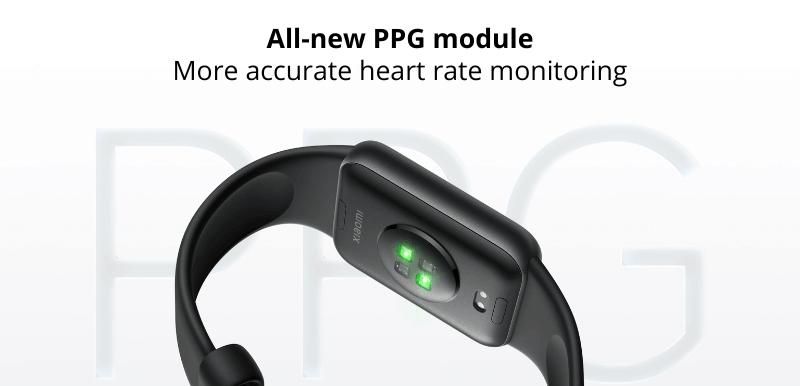
Both categories offer health features, but the available functions vary by model. Fitness bands commonly focus on step counting, heart rate, sleep, blood oxygen, and basic workouts. Smartwatches offer many of the same features while adding more sports modes, larger workout displays, and GPS on supported models. For general wellness tracking, a band provides most users with what they need. Anyone into outdoor running or cycling may prefer a smartwatch, which is what sets the best fitness watch models apart.
5. GPS and Outdoor Workouts
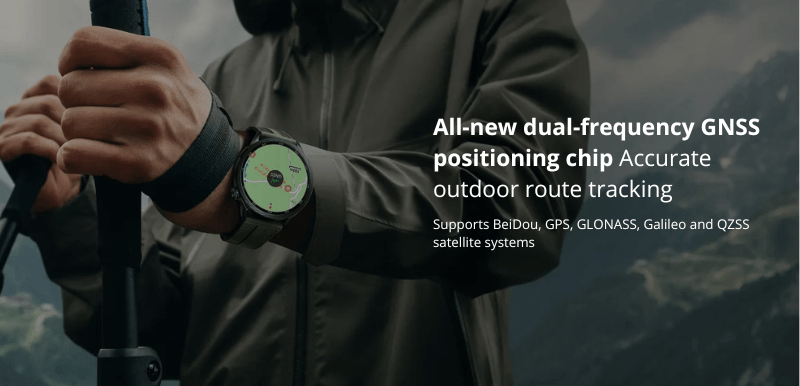
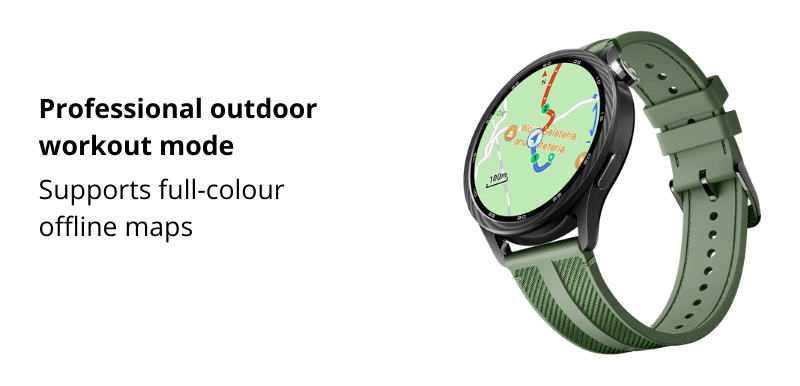
GPS matters for runners, cyclists, and walkers. Some fitness bands rely on a connected phone for location tracking, meaning you must carry your phone during an outdoor workout. Many smartwatches include built-in GPS, though this is not universal. Check the specifications of the exact wearable rather than assuming every model includes it.
6. Notifications and Bluetooth Calling
Fitness bands can display notifications such as incoming calls, messages, and app alerts, but the level of interaction is often limited. Smartwatches generally provide a larger notification interface and, on supported models, Bluetooth calling through a built-in microphone and speaker. If you mainly want to know who is calling, a band is enough. If you want to manage calls from your wrist, look for a smartwatch that specifically supports Bluetooth calling.
7. Smart Features
The biggest distinction is the number of non-fitness features available. Smartwatches may offer Bluetooth calling, music controls, voice assistants, camera controls, weather, and additional applications. Fitness bands focus on essential activity and notification functions. The smartwatch category suits users who want their wearable to act as an extension of their smartphone.
8. Smart Watch for Men and Women
Wearables are fashion accessories too. A smart watch for men may come in larger cases with sport-focused designs and darker or rugged finishes. A smart watch for women may come in smaller cases, slimmer profiles, or lighter finishes. There is no strict rule — wrist size, comfort, and personal style matter more. Fitness bands generally have a minimalist appearance that pairs well with casual or athletic clothing.
Which One Should You Buy?
Choose a fitness band if you mainly want activity and health tracking, prefer a lightweight wearable, need long battery life, want a compact design for sleep tracking, or do not need extensive smartwatch functions. A fitness band also keeps your budget focused on essential features.
Choose a smart watch if you want a larger display, richer notifications, Bluetooth calling, built-in GPS on a supported model, multiple sports features, and greater watch-face customisation.
You can compare current options in the fitness band range and smart watch collection before deciding.
How Does a Smart Watch Connect to a Phone?
Most modern wearables connect through Bluetooth and a manufacturer’s companion app:
- Install the relevant companion app.
- Turn on Bluetooth on your smartphone.
- Open the app and select the wearable.
- Follow the on-screen pairing instructions.
- Allow the required notification and health permissions.
For Xiaomi and Redmi wearables, the compatible app depends on the product and its software requirements. Always check the product documentation for the supported app and Android or iOS version.
Can a Smart Watch Measure Blood Pressure?
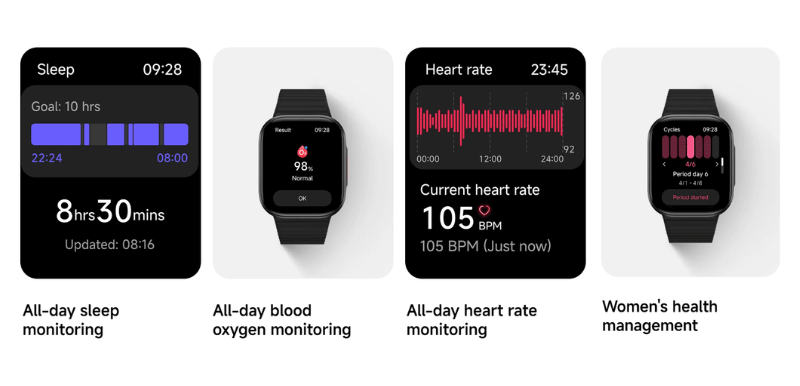
Can a smart watch measure blood pressure? Some devices offer estimated readings or related wellness features, while many mainstream wearables do not provide blood pressure measurement at all. Does a smart watch measure blood pressure accurately? Wrist-based readings are estimates, not clinical measurements. A smartwatch should never replace a validated blood-pressure monitor. If you need measurements for a medical reason, use an appropriate device and follow professional medical advice.
FAQs
Which is better: a smartwatch or a fitness band? Neither is universally better. A fitness band suits lightweight health and activity tracking, while a smartwatch provides a larger display and additional features such as calling and GPS on supported models.
Which smartwatch is best in Pakistan? There is no single answer — it depends on your budget and required features. Compare fitness tracking, battery life, display, and connectivity against what you will actually use.
Is a fitness band cheaper than a smartwatch? Fitness bands are often positioned as more affordable, but prices vary by model. Some advanced bands cost more than basic smartwatches.
Can a fitness band track sleep? Yes. Many fitness bands include sleep tracking, though the available metrics vary by model.
Do smartwatches have better health tracking? Not necessarily. Capabilities depend on the sensors and software in each model. Compare inpidual devices rather than the category.
Which fitness band is suitable for beginners? One with reliable activity tracking, heart-rate monitoring, sleep tracking, and straightforward synchronisation. The Xiaomi Smart Band is a popular starting point.
Final Thoughts
The decision between a smartwatch vs fitness band depends on how you want to use your wearable. A fitness band is practical when your priorities are lightweight comfort, everyday activity tracking, sleep monitoring, and longer battery life. A smartwatch suits you better when you want a larger display, richer notifications, Bluetooth calling, GPS, and additional smart functions.
For buyers in Pakistan, compare the smartwatch price, battery life, health sensors, display, workout features, connectivity, and smartphone compatibility before deciding. The best wearable is the one that provides the features you will actually use every day — whether that means a Xiaomi fitness band that keeps things simple or a smartwatch with broader connectivity.