
















Power Bank vs Wireless Power Bank – Complete Guide


A power bank is one of the most useful accessories for keeping smartphones, earbuds, smartwatches, and other portable devices charged when a wall socket is not available. However, modern charging technology has introduced another convenient option: the wireless power bank. While both products store electrical energy for portable charging, they differ in how they transfer power to compatible devices. Understanding the difference between a traditional power bank and a wireless charging power bank can help you choose the right option for travel, work, daily commuting, emergencies, or outdoor use. This guide explains how both work, their advantages and limitations, charging speeds, portability, and what to consider when checking power bank prices in Pakistan.
What Is a Power Bank?
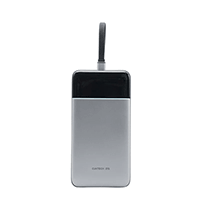
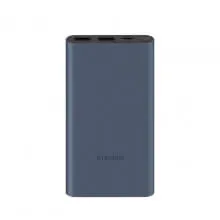
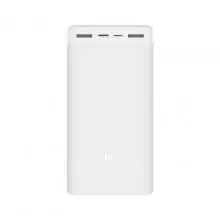
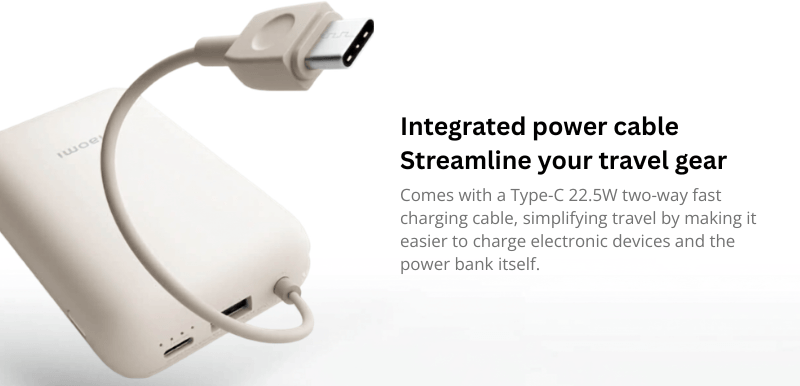
A traditional power bank is a portable battery designed to store electrical energy and deliver it to another device via a charging cable. Most models use USB-A or USB-C ports, allowing users to connect smartphones, tablets, earbuds, gaming devices, and other compatible electronics. The main advantage of a conventional portable power bank is flexibility. You can use different charging cables depending on the device. A USB-C power bank can also support modern fast-charging standards when the power bank and connected device are compatible. For users who regularly travel, work away from home, or experience frequent power interruptions, carrying a power bank can provide convenient backup power.
What Is a Wireless Power Bank?
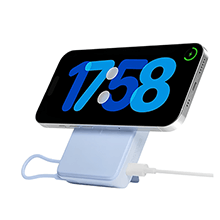
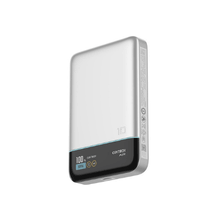
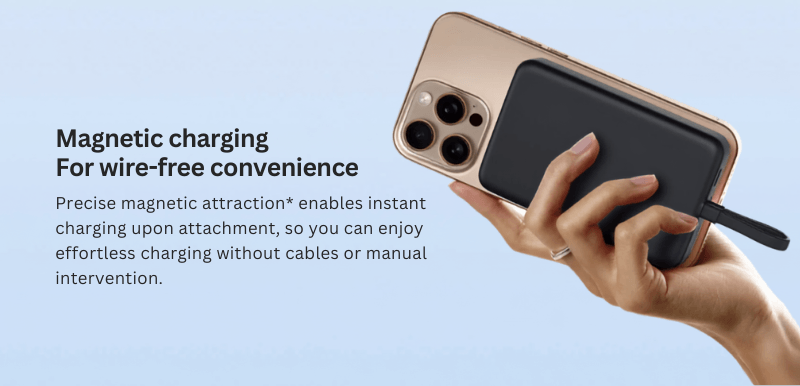
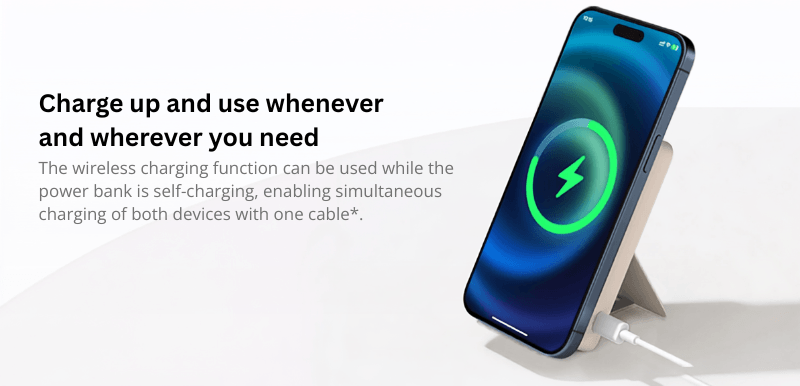
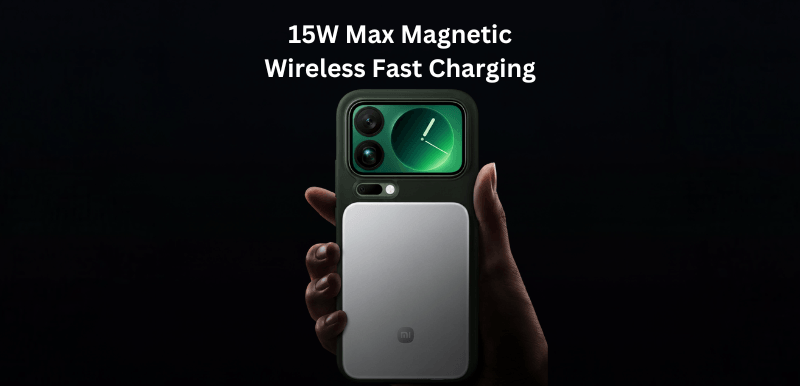
A wireless power bank combines a rechargeable battery with wireless charging technology. Instead of always connecting a cable between the power bank and smartphone, a compatible device can receive power wirelessly when placed correctly on the charging surface. Some wireless power banks also include USB ports, allowing them to provide both wireless and wired charging. This makes them useful for people who want cable-free convenience while still having a physical charging option available. A wireless power bank is particularly convenient when you need to charge a compatible smartphone while keeping your setup simple and reducing the number of cables you need to carry.
Power Bank vs Wireless Power Bank: Key Difference
The biggest difference is the charging method.
| Feature | Power Bank | Wireless Power Bank |
| Charging Method | Wired | Wireless and often wired |
| Cable Required | Usually yes | Not always |
| Convenience | Simple and reliable | More convenient for compatible devices |
| Charging Compatibility | Broad with suitable cables | Requires wireless charging support |
| Charging Efficiency | Generally higher through cable | Can have additional energy loss |
| Portability | Available in many sizes | Available in compact and magnetic designs |
| Best For | Flexible wired charging | Cable-free convenience |
| Multiple Devices | Often supports multiple ports | Depends on model and wireless/wired outputs |
Charging Speed: Which One Can Be Faster?
Charging speed depends on several factors, including battery capacity, output wattage, charging protocol, cable quality, device compatibility, and temperature. A wired connection generally provides more efficient power transfer because electricity travels directly through the cable. Many high-output models are therefore suitable when you need a faster power bank for smartphones, tablets, or other compatible devices. Wireless charging offers convenience, but some energy is lost during wireless power transfer. The actual charging speed can also vary depending on the alignment between the phone and charging surface. If charging speed is your priority, check the power bank’s maximum output and supported charging standards rather than choosing only by the advertised battery capacity.
Battery Capacity: 10000mAh vs 20000mAh
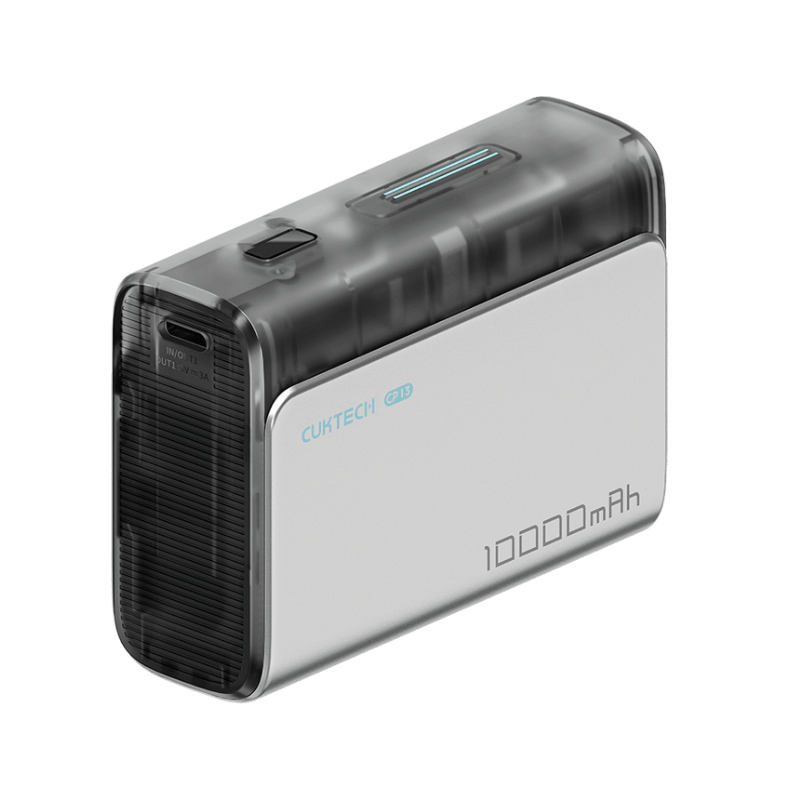
Capacity is another important consideration when choosing a power bank. Common options include 10000mAh and 20000mAh models. A 10000mAh power bank can be a practical choice when portability is important. Its smaller size and lower weight can make it convenient for everyday commuting, short trips, or keeping in a small bag. A power bank 20000mAh model stores significantly more energy and can provide more charging capacity between recharges. It can be useful for longer journeys, multiple devices, or situations where access to electricity is limited. However, the advertised capacity should not be interpreted as the exact amount of energy your smartphone will receive. Conversion losses and the power bank’s rated output affect usable energy. When comparing a 20000mAh power bank with a 10000mAh option, consider whether you prioritize portability or longer battery life.
Portability and Size
Size can make a significant difference in everyday use. A mini power bank or small power bank is easier to carry in a pocket, small handbag, laptop bag, or travel pouch. It can be particularly useful for people who mainly need emergency charging during the day. Larger-capacity models tend to be heavier because they contain more battery cells. A 20000mAh portable power bank may therefore be more suitable for travel or extended use than everyday pocket carrying. Wireless power banks can also be convenient because they reduce the need to carry a separate charging cable for compatible devices. However, the wireless charging hardware can affect the product’s thickness and weight.
Convenience of Wireless Charging
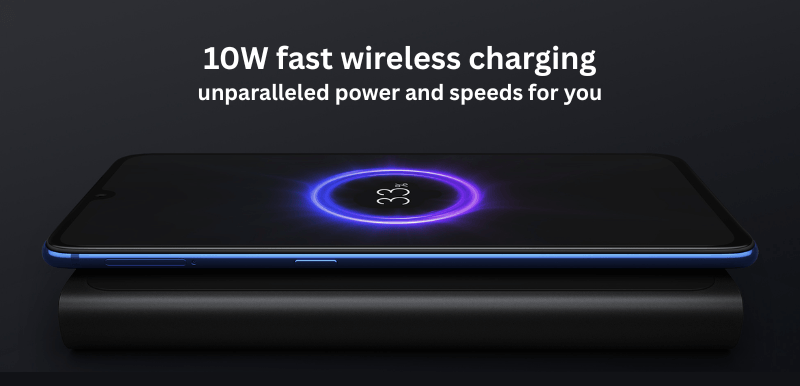
The main appeal of a wireless charging power bank is convenience. With a compatible smartphone, you can place the device against the wireless charging area and begin charging without plugging in a cable. This can be useful when you need to charge your phone occasionally. Wireless charging can also make short charging sessions easier. Instead of repeatedly connecting and disconnecting a cable, you can place the phone on the charging surface when required. However, wireless charging is not universal. Your smartphone must support the relevant wireless charging technology, and proper positioning may be required for consistent charging.
Wired Power Banks Offer Greater Flexibility
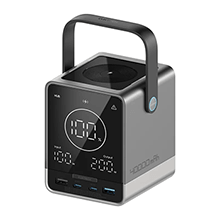
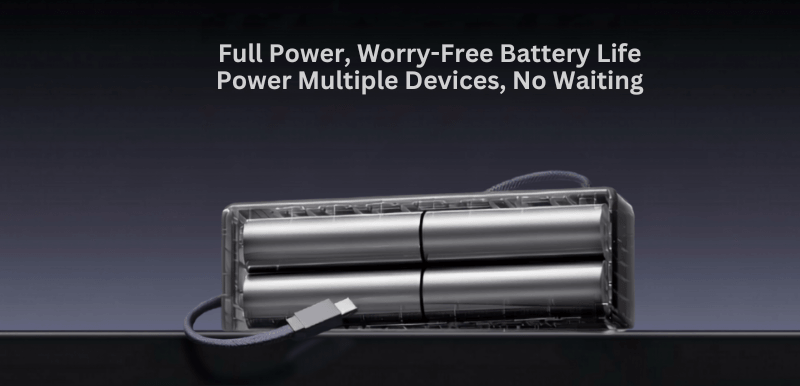
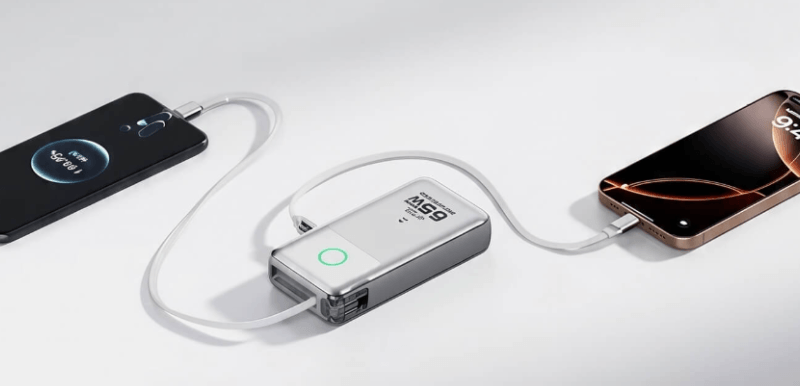
Traditional power banks remain highly versatile because a cable can connect to many different types of devices. For example, one power bank can potentially charge a smartphone via USB-C, wireless earbuds via another cable, and another compatible device via USB-A, depending on its available ports and power output. This makes a multi-port power bank particularly useful for people who carry multiple electronic devices. If you want a single portable charger for multiple devices, check the number of outputs, the maximum combined wattage, and the power distribution capabilities before purchasing.
Wireless Power Bank or Traditional Power Bank for Travel?
Your travel requirements should influence your choice. A conventional power bank can be useful for long journeys because it provides predictable wired charging and may offer multiple outputs. A higher-capacity model can also provide more stored energy for extended trips. A wireless power bank can simplify your travel setup if your smartphone supports wireless charging. You may be able to reduce the number of charging accessories you carry, especially for short trips. For air travel, always check the airline’s current rules regarding spare lithium-ion batteries and power banks before travelling. Capacity and transportation requirements can vary by airline and jurisdiction.
Safety Features to Look For
A reliable power bank should include appropriate protection features. Depending on the model, these can include protection against:
- Overcharging
- Over-discharging
- Short circuits
- Overcurrent
- Overvoltage
- Excessive temperature
- Abnormal charging conditions
Wireless models may also require temperature and charging control because wireless power transfer can generate additional heat. Always use compatible chargers and cables and follow the manufacturer’s charging instructions.
How to Choose the Right Power Bank
Before purchasing the best power bank for your requirements, consider these factors:
1. Check Battery Capacity
Choose 10000mAh for portability, and 20000mAh for greater backup capacity.
2. Consider Charging Speed
Look at the output wattage and supported charging protocols. A higher-rated output can be useful for compatible devices that support fast charging.
3. Decide Between Wired and Wireless
Choose a traditional model if you prefer flexible cable-based charging. Consider a wireless power bank if your smartphone supports wireless charging and you value cable-free convenience.
4. Check Port Selection
USB-C and USB-A ports can make a power bank more versatile. If you carry several devices, consider how many you can charge simultaneously.
5. Think About Size and Weight
A small power bank can be easier to carry every day, while a larger-capacity model may be more appropriate for travel and extended periods away from an outlet.
6. Compare the Price With Features
When checking power bank prices, compare capacity, output, charging technology, ports, protection features, and build quality rather than focusing solely on the lowest price.
Frequently Asked Questions
Is a wireless power bank better than a normal power bank?
They serve different purposes. A normal power bank focuses on wired charging and flexibility, while a wireless power bank adds cable-free charging for compatible devices. Your choice should depend on your devices and charging preferences.
Does a wireless power bank charge faster?
Not necessarily. Charging speed depends on the power bank, smartphone, wireless standard, output level, and other factors. Wired charging provides more efficient power transfer.
Is a 20000mAh power bank good for travel?
A 20000mAh power bank can provide substantial backup capacity and be useful for longer trips. However, its larger size and weight may make a 10000mAh model more convenient for everyday carrying.
Is a wireless power bank compatible with every phone?
No. The phone must support a compatible wireless charging technology. Phones without wireless charging support generally require a wired connection.
Is a Xiaomi power bank useful for everyday charging?
A Xiaomi power bank can be useful when you need portable backup power. Select the capacity, output, and charging features that suit your devices and daily needs.
What is the difference between a Mi power bank and a wireless power bank?
A Mi power bank refers to Xiaomi-branded portable chargers, while a wireless power bank specifically refers to a power bank with wireless charging capability. Some Xiaomi models may combine both wired and wireless charging.
Final Thoughts
The main difference between a power bank and a wireless power bank is how they charge your device. Traditional power banks use cables, while wireless power banks offer cable-free charging for compatible devices and often include wired ports. When choosing a power bank in Pakistan, consider capacity, charging speed, portability, compatibility, safety, and price. A 10000mAh model suits everyday use, while 20000mAh offers more backup for travel and extended use.